What happens when you call
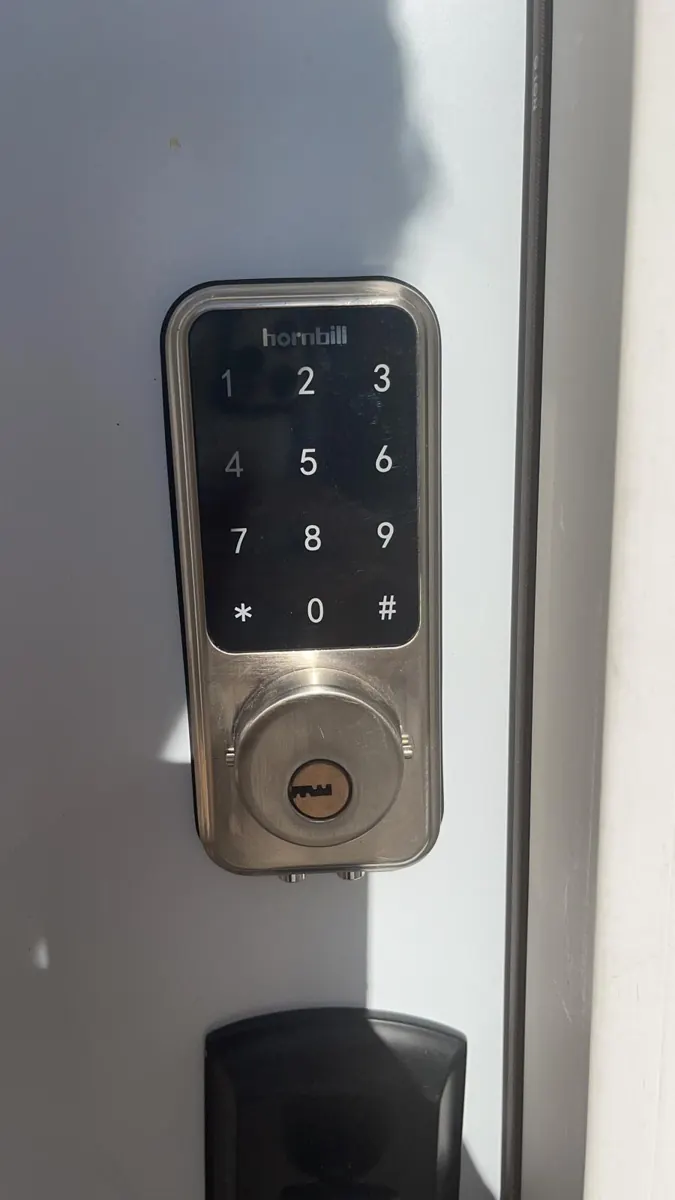
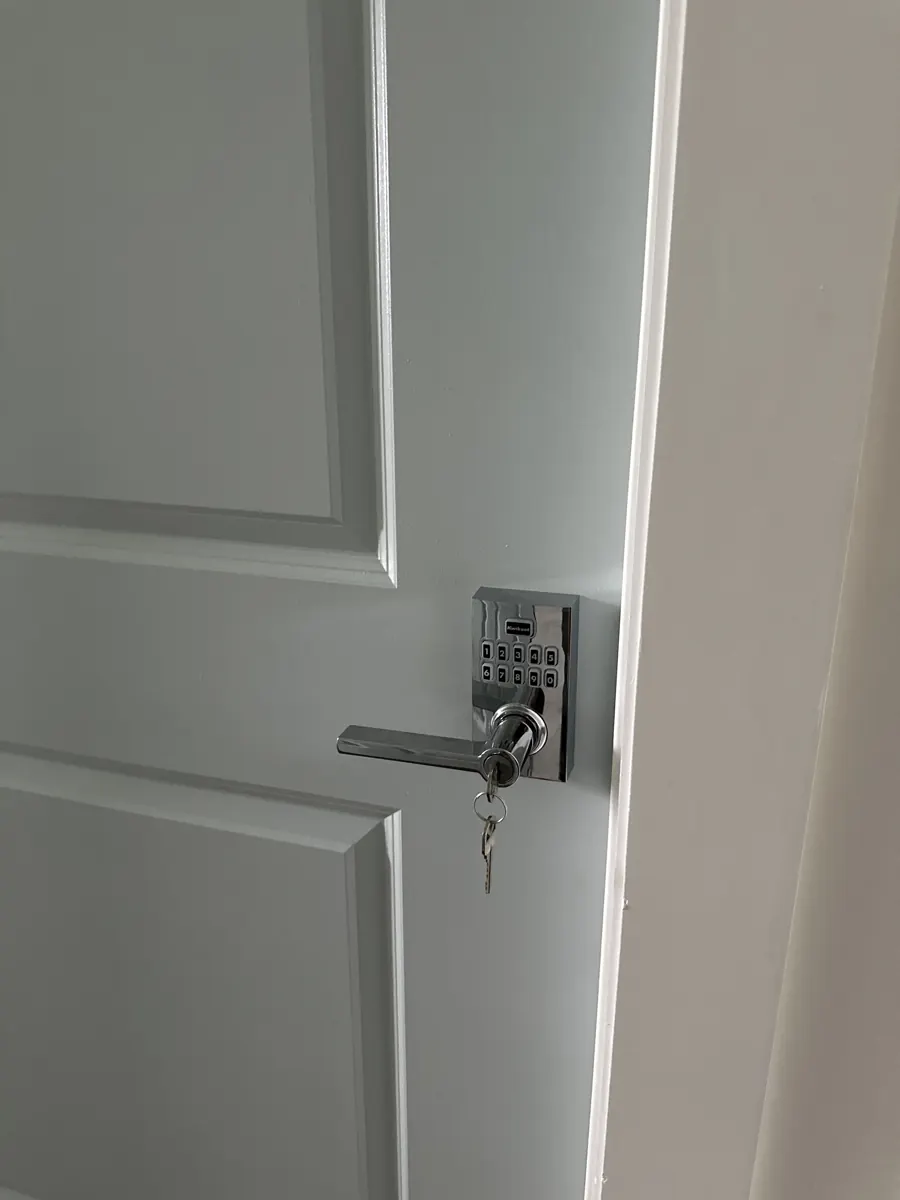
You talk to a person, not a phone tree. We ask four things: where you are, what kind of door and lock it is (a photo helps if your phone is with you), whether anyone or anything is inside who needs help, and whether the keys are lost or just locked inside.
From that we give you the price for the lockout and a real arrival estimate. If you say yes, a technician heads your way. If you say no, you owe nothing and we hope you get in.
How we open the door
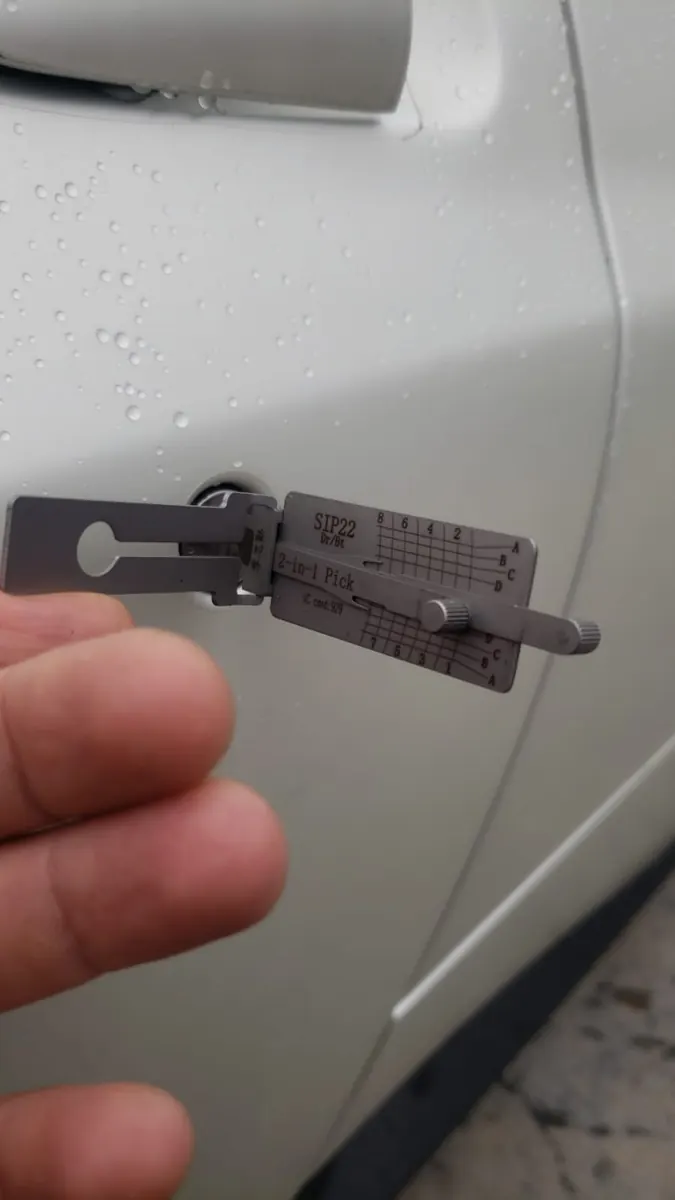
Most residential lockouts are opened without drilling. Depending on the lock, that means picking, bypass tools, or working the latch. A deadbolt that has been thrown is harder than a spring latch; a high-security cylinder (Medeco, Mul-T-Lock, Abloy and similar) is harder again. We tell you up front if we think your lock is one of the difficult ones.
Drilling is a last resort, and we never do it without asking you first. If we have to drill, we tell you the cost of the new cylinder before we start, so the price you approved doesn't quietly grow.
If your keys are lost, not just locked inside
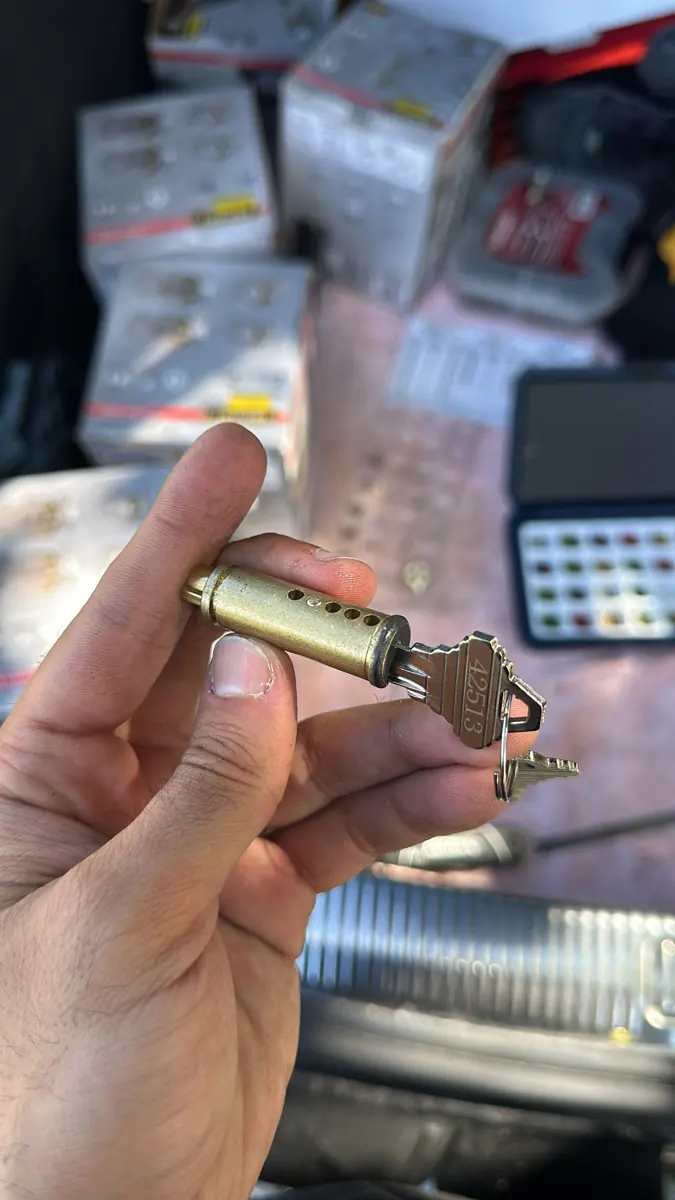
Getting in is only half the job if your keys are gone. Someone may have them, and if your address was on the keychain or in a lost bag, you should assume they can find your door. While we're there we can rekey your locks so old keys stop working, usually in far less time than replacing hardware, and cut you fresh keys.
We'll ask you to prove you live there
Expect us to ask for ID with the address, a lease, a utility bill, or a neighbor or building manager who can vouch for you. It can feel like a hassle when you're standing outside your own door, but a locksmith who opens any door for anyone is a locksmith who would open your door for a stranger. If your ID is inside, we'll open the door and check it before we leave.
Condo and apartment buildings
High-rise and gated buildings add a step: the front desk, a gate code, or a garage fob. Tell us when you call so the technician can get in without circling. Some buildings require the management office to approve a locksmith; if yours does, call the desk while we're on our way, and it'll save you time.
Renters: many leases say lock changes must go through the landlord. Opening your door is fine; changing the lock may need their okay. We can talk it through.
What affects the price
- Type of lock (knob, deadbolt, high-security, smart lock)
- Whether the deadbolt is thrown or only the latch
- Time of the call and distance to you
- Whether a rekey or new cylinder is needed if keys were lost
The price on the phone is the price at the door. We quote the total before dispatch and you approve it before work begins. If something changes once we see the lock, we stop and tell you first.
- Lock or hardware typeA standard deadbolt, a high-security cylinder and a smart lock are different jobs.
- Vehicle and key typeMake, model and year; mechanical, transponder, remote or push-to-start key.
- ComplexityOpening a latch vs. a thrown deadbolt; one cylinder vs. a whole building.
- TimeEvening and short-notice work can cost more than a scheduled daytime visit.
- LocationHow far the nearest technician has to drive, and access (gates, garages).
- Required partsCylinders, locks, key blanks, chips and fobs, itemized on the invoice.
Where we do this
House & Apartment Lockout across Broward County and Palm Beach County, plus North Miami-Dade. We're mobile and come to you. Local notes for your city:
HollywoodHallandale BeachFort LauderdaleDania BeachPembroke PinesMiramarDaviePlantationCoral SpringsPompano BeachDeerfield BeachBoca RatonDelray BeachBoynton BeachWest Palm BeachAll service areas
From our work